


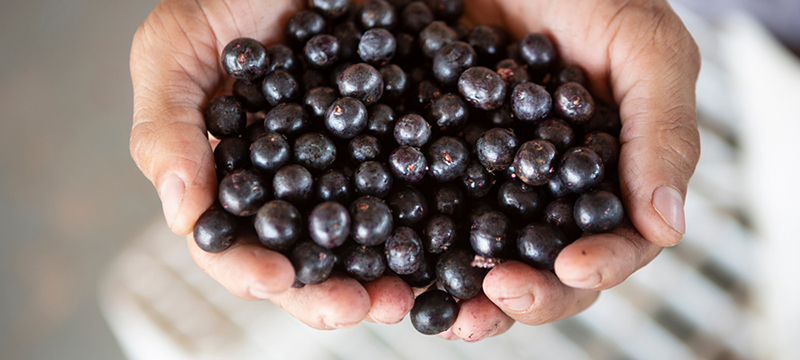
Botanical Source: Euterpe oleracea
The high antioxidant content found in Acai Berry Extract makes it a highly beneficial ingredient in modern beauty products. Acai berries are a Brazilian “superfruit.” They’re native to the Amazon region where they’re a staple food. However, they’ve recently gained popularity globally and are praised for being particularly beneficial to health and well-being.
The high antioxidant content found in Acai Berry Extract makes it a highly beneficial ingredient in modern beauty products. It is extremely high in many forms of plant antioxidants phytochemicals that contribute to slowing or reversing the typical aging processes related to oxidative damage. In fact, the berries are one of the planet's highest sources of antioxidants, with one berry holding ten times the amount of antioxidants as grapes, and two times the amount as blueberries. Chemicals in acai might also reduce swelling, lower blood sugar levels, and stimulate the immune system.

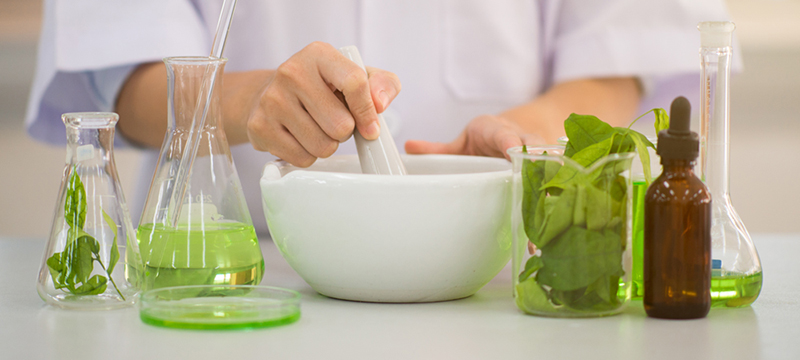
Botanical Source: Camellia Sinensis
Rich in Polyphenols, Catechins, and Caffeine, Green Tea extract is reputed to have properties that make it beneficial for addressing and potentially preventing numerous skin-related complaints. For centuries, it has been used in Eastern traditional medicine to soothe inflammation, especially in association with eczema and joint pain, such as arthritis. Green Tea Extract contains the Methylxanthines which stimulate skin microcirculation, positively influencing the tone and health of the skin, and decreasing wrinkles, thereby making skin look younger. It is useful to incorporate Green Tea Extract into your skin care product to possibly slow down your skin's aging process.
Green Tea Extract has long been associated with numerous skin benefits. Derived from leaves of Camellia sinensis, Green Tea Extract is naturally rich in antioxidants, which protect skin from the damaging effect of free radicals. Green Tea Extract acts as an anti-inflammatory agent thereby reducing inflammation in the skin, and most importantly, having an inhibitory action on collagenase (a collagen-reducing enzyme that breaks down collagen). By helping to inhibit collagenase, the topical use of Green Tea helps to promote collagen production, thereby providing a foundation for firm and elastic skin. In at least one clinical study skin displayed measurably more elastic tissue content after continuous application of a product containing green tea extract.
Used cosmetically, Green Tea Extract helps diminish the signs of aging, calms irritation, evens out discoloration, diminishes the appearance of cellulite, soothes redness and swelling, repairs damage, exfoliates, decreases the appearance and occurrence of blackheads, eliminates dead skin, dirt, bacteria, and other pollutants on the skin’s surface, decreases puffiness, and reduces the appearance of dark circles.
Used medicinally, Green Tea Extract soothes muscle soreness, eases joint pain, facilitates fat loss, maintains gut health, enhances circulation, regulates blood pressure, boosts energy, protects the skin against the harmful effects of overexposure to the sun, soothes inflammation, strengthens bone health, prevents bacterial infections, and promotes mental alertness.
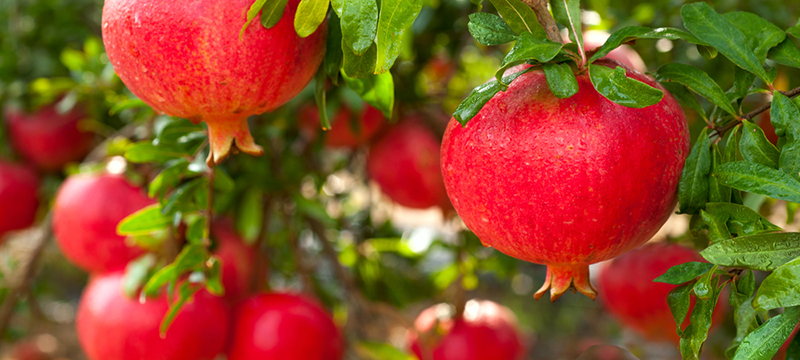
Botanical Source: Punica Granatum
Pomegranate Extract not only nourishes skin, but also prevents damage caused due to free radicals. Pomegranate Extract also stimulates cellular regeneration and is an effective anti-inflammatory. The Vitamin C present in Pomegranates plays a key role in collagen formation (skin is made up of collagen and elastic fibers), thus enabling the various proteins responsible for making healthy and stronger skin flourish. Pomegranate Extract also aids in moisturizing our skin with micronutrients and phytochemicals.
We all know that Pomegranate Juice is loaded with health benefits, but who knew that the powerful antioxidants within also make it a key ingredient for combating aging skin. Pomegranate Extract stimulates cellular regeneration and is an effective anti-inflammatory. It is high in essential fatty acids which possesses potent anti-aging compounds that help stimulate keratinocyte cells (skin cells) thereby aiding in cellular regeneration.
Pomegranates are also rich in polyphenolic compounds that offer protection from this damage. The main bioactive compounds with antioxidant activity that are found in pomegranates are called punicalagins, anthocyanins, and hydrolysable tannins. Pomegranate compounds may help fight harmful microorganisms such as certain types of bacteria, fungi, and yeast.
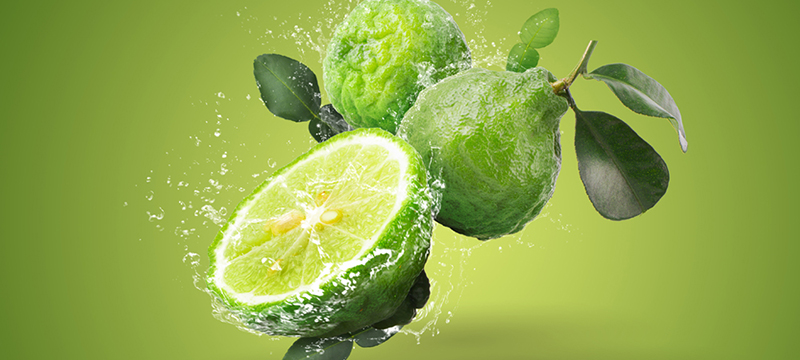
Botanical Source: Citrus bergamia
Bergamot essential oil benefits go far beyond its uplifting fragrance and include stress relief, mood boosting, pain relief and more. In fact, some claim that the anxiety-relieving benefits parallel that of conventional drugs! In Ayurvedic medicine, Bergamot Oil has been used to soothe acne, skin rashes, sores and sore throats, and bladder infections. It is also used to reduce fever, obesity, depression, eczema, gingivitis, flatulence, loss of appetite, and compulsive behaviors.
Used cosmetically or topically in general, Bergamot Oil can disinfect the skin by preventing the growth of harmful bacteria. When added to bath water or soaps, it relieves cracks on the skin and heels while also protecting skin against infections. Used in hair products, it can enhance hair’s sheen and prevent hair loss. By stimulating hormones that reduce the sensation of pain, it can relieve headaches, muscle aches, and sprains. As a cicatrizant, Bergamot Oil can balance skin’s oil production and reduce the appearance of unwanted marks and scars by evening out the skin tone. By using it in a natural deodorant, Bergamot Oil can eliminate the bacteria that causes body odor.
Used medicinally, Bergamot Essential Oil works as a febrifuge, which helps the body to recover from illness by fighting infections that cause fever. By promoting the secretion of perspiration, it reduces body temperature while cleansing the body of toxins through pores and glands. Bergamot Oil is known to have properties that make it effective for promoting the fast healing of wounds and eczema by protecting them from becoming septic and by preventing new infections from forming.
Used in aromatherapy applications, Bergamot Essential Oil is known to help reduce anxiety and stress and thereby alleviate symptoms of depression. The oil’s α-Pinene and Limonene constituents make it uplifting, refreshing, and stimulating. Inhaling Bergamot Oil can also maintain metabolism by increasing the hormones and fluids that aid digestion and nutrient absorption. This can reduce constipation by making bowel movements more regular. The relaxing, soothing aroma of Bergamot Essential Oil is sedative and can assist with sleep disorders like insomnia by putting the user into a restful state.
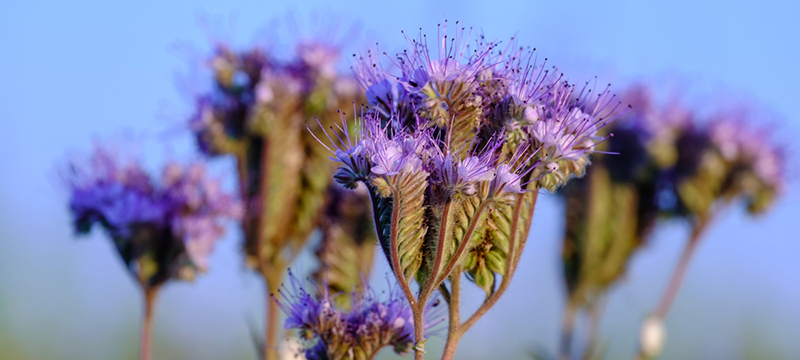
Botanical Source: Tanacetum annuum
Organic Blue Tansy has a very fresh and alive quality – its refined and softly diffusive, herbaceous aroma attests to great care taken in the process of extracting the essential oil. Highly aromatic, warm, bitter-green, herbaceous aroma with softly penetrating camphor top notes; has a warm, woody-herbaceous drydown.
Calming, anti-inflammatory & acne-clearing. Its most common use is to calm irritated skin, reduce heat, and relieve delicate or troubled skin. Blue tansy's ability to clear congested pores, kill off pimple-causing bacteria, and reduce redness, make it one of the best oils for acne-prone skin.
Blue Tansy, also referred to as Moroccan Tansy, is an annual yellow-flowered Mediterranean plant found in northern Morocco. Chamazulene, a chemical component in Blue Tansy, provides the characteristic indigo color and is recognized for its skin soothing benefits. At the same time, the main chemical component Sabinene helps diminish the appearance of blemishes. When diffused, Blue Tansy oil provides a sweet aroma to fill any room. It’s perfect for massaging into skin with fractionated coconut oil or lotion after a long day of work or intense exercise.

Botanical Source: Coffea arabica
Coffee Extract has strong, anti-oxidant properties that help protect our skin and photo-protective qualities that make it useful in hair care products as well. Use our Coffee Extract in your anti-aging body lotions and creams to take full advantage of the anti-oxidation properties. Color protection shampoos, conditioners and other hair products will be enhanced by adding coffee extract as well.
Rich in Linoleic Acid, Coffee Extract can help add moisture to the skin, benefit maturing skin, improve the appearance of damaged skin, and help promote skin regeneration. Palmetic Acid in Coffee Extract is known to possess anti-inflammatory properties, have emollient properties, help heal rashes, dryness and insect bites on the skin, and help remove excess oil from skin. Oleic Acids from Coffee Extract are known to help calm and soothe skin, possess antioxidant properties, and help balance and repair skin damage. Stearic Acid from Coffee Extract is known to possess cleansing properties, help soothe damaged skin, have emulsifying properties, and help stabilize the texture in skin products.
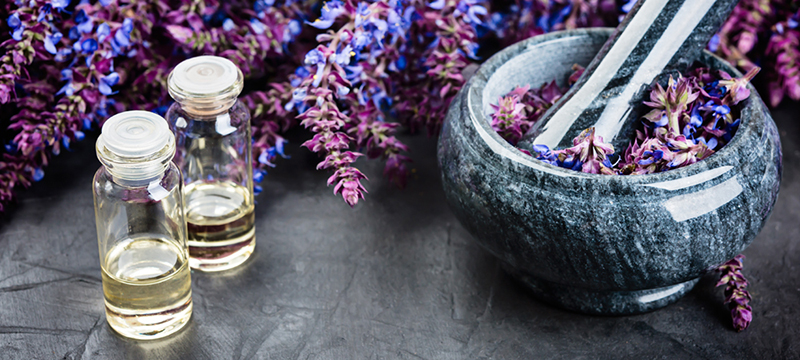
Botanical Source: Salvia sclarea
A natural antidepressant, Clary Sage is commonly used to relieve stress and promote relaxation. It is also commonly used to balance hormonal disorders, improve digestion and circulation, as well as being a natural antibacterial. WIth a warm, musky, and herbal aroma, Clary Sage pairs well with cedarwood, geranium, jasmine, and rose.
Clary Sage is a flowering herb that’s native to the Mediterranean Basin. The essential oil that’s extracted from the leaves and buds of the plant has a clean, refreshing scent that you can use as a skin balm or gently inhale as part of an aromatherapy treatment. Clary sage oil in diluted form may have a positive impact upon some strains of bacteria. Researchers think it could be an effective treatment alone or in addition to traditional treatments for wound care.
A small clinical study examined 48 women who experienced painful menstruation and cramps. Some of the women were given a cream containing clary sage oil and other essential oils to apply onto their lower abdomens daily, between menstrual cycles. The women who used the cream had a significant reduction in menstrual cramps than the control group.
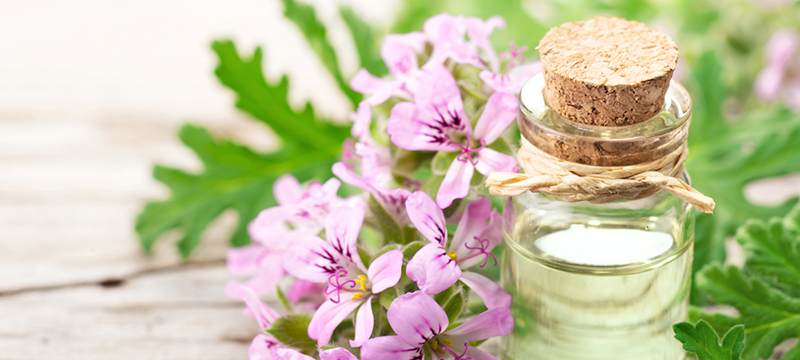
Botanical Source: Pelargonium graveolens
Used cosmetically or topically in general, Geranium Essential Oil is reputed to effectively eliminate dead cells, tighten the skin, promote the regeneration of new skin, and diminish signs of aging. Used medicinally, Geranium Essential Oil works as an anti-inflammatory and anti-septic agent. It is reputed to enhance circulation, soothe symptoms of menstruation and menopause, reduce blood pressure and pain, and boost immunity.
As early as the time of the ancient Egyptians, Geranium Oil has been used in a vast range of applications including the promotion of a clear, smooth, radiant complexion, the balancing of hormones, the alleviation of anxiety and fatigue, and the improvement of moods. When the Geranium botanical was introduced to Europe in the late 17th century, its fresh leaves were used in finger bowls. Traditionally, Geranium Essential Oil has been used as an insect repellent and it has also to flavor food, soft drinks, and alcoholic beverages.
When used in aromatherapy applications, Geranium Essential Oil reduces feelings of stress, anxiety, sadness, fatigue, and tension, enhances concentration, improves cognitive function, and balances the emotions as well as the hormones.
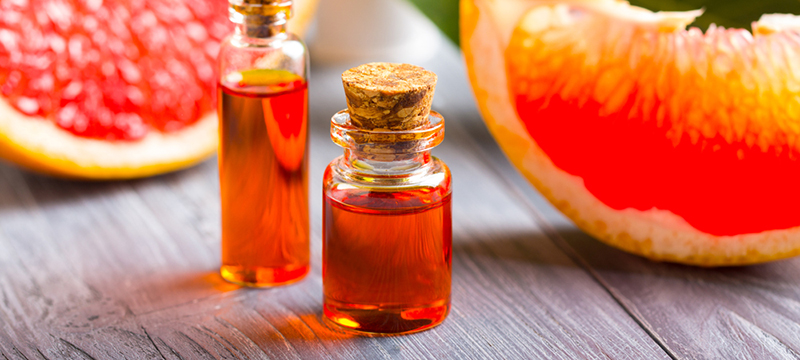
Botanical Source: Citrus paradisi
Fresh, light, sweet yet sour, peel-like, mildly pithy aroma; Organic Grapefruit peel essential oil has good body and complexity in the dry-down. Grapefruit oils, like all citrus peel oils, have a predominance of limonene, the bright, lemony monoterpene that provides an absolutely delightful aroma when diffused to refresh and disinfect room environments. Limonene is currently under extensive research for its role in breast health and abnormal cell growth.
Grapefruit essential oil comes from glands in the grapefruit peel and is extracted by the process of cold pressing. Grapefruit oil is commonly used as a top or middle note in perfumery and blends well with other citrus and spice oils, as well as basil, peppermint, cedarwood, lavender, ylang-ylang, rosemary, cypress, frankincense, and geranium oils.
Used in natural cosmetic products, Grapefruit Essential Oil is reputed to help maintain smooth looking skin, to help reduce the appearance of cellulite, and to help balance oily skin and hair.
Used in aromatherapy, Grapefruit Essential Oil benefits include enhancing a sense of energy, helping to manage stressful and anxious feelings, and helping to manage feelings of discomfort experienced from stiffness and aches.
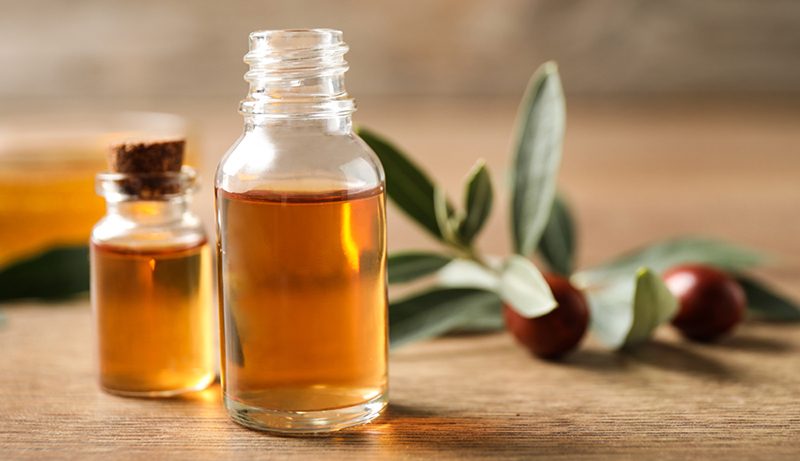
Botanical Source: Simmondsia chinensis
Often referred to as nature’s moisturizer for its ability to mimic the skin’s sebum, Jojoba oil is known for being hypoallergenic, which makes it excellent for sensitive skin and for use as a massage oil. It's a natural moisturizer that not only hydrates the skin but also builds a protective barrier to ensure that the moisture doesn't go anywhere. Jojoba oil has a similar molecular structure and composition to sebum, which the skin naturally produces for moisturization.
Another popular use for jojoba oil is in hair, particularly to bring in moisture. The vitamins in jojoba oil (vitamin E, vitamin C, and vitamin B) are also great for nourishing and strengthening hair when it's used long-term. ebum also naturally coats your strands, so applying jojoba where you need it the most can make your hair feel soft and even boost shine.
Similar to other skincare oils, jojoba oil contains oodles of vitamins, antioxidants, and anti-inflammatory properties, but what sets it apart from the others is that it’s technically not an oil, but a wax ester.
Jojoba oil is derived from the seeds of the jojoba shrub, a perennial native to the North American deserts. The oil accounts for 50% of the jojoba seed and is extracted by cold-pressing, a process that helps maintain the rich nutritional value of the oil.
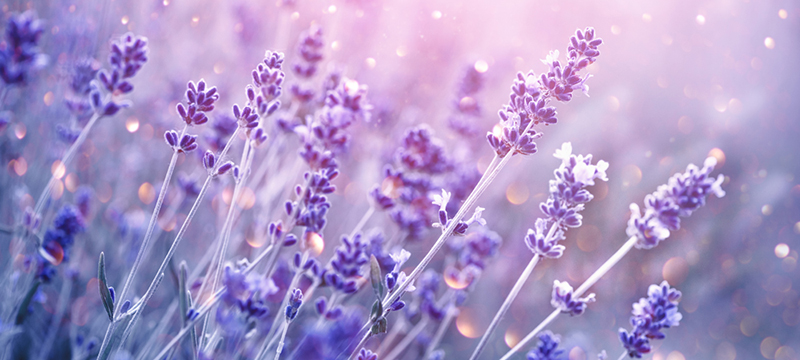
Botanical Source: Lavandula angustifolia
Lavender Essential Oil is one of the oldest essential oils known. It is believed to be cultivated by the Arabs, and traded with the Greeks as early as 600 B.C. The Egyptians, Romans, and Greeks, all used this essential oil in there day to day living, and helped to spread its popularity across the earth. Lavender has cosmetic, odourous, and medicinal uses, demonstrating soothing, sedative activities in each form, which can include oils, gels, lotions, soaps, shampoos, and sprays.
Lavender has been an integral part of fine fragrances for centuries – it is a middle to top note, can be used as a perfume modifier, and can also help mask unpleasant aromas of oils you want to use in blends. It can be safely applied topically to cuts, burns and bruises, but is also inhaled to help calm those who are experiencing nervousness or bodily tension. Supporting research has shown Lavender to have calming and mood-enhancing effects, evidenced in several studies on humans.
Used medicinally, Lavender essential oil has been found to eliminate harmful bacteria, relieve muscle spasms, relieve flatulence, disinfect and soothe inflamed skin especially when resulting from a venomous, itchy bug bite, promote speedy healing of irritated and scarred skin, and to relieve muscle tension when used in a massage.
When used in aromatherapy, this mild sedative is reputed to reduce stress by relaxing the brain waves, which is also said to reduce cortisol levels that contribute to the stress hormone. As cortisol leads to lower immunity, Lavender would accordingly support the immune system by helping relieve feelings of stress that can weaken health. Lavender is believed to help balance hormones, to reduce feelings of nervous tension, and based on empirical evidence, has worked to reduce feelings of depression for some individuals. Due to its calming and relaxing properties, it can work as a sleep aid for those suffering from insomnia.
Diluted with a carrier oil and used topically, Lavender oil moisturizes chapped and aging skin. Its anti-septic and anti-fungal properties may help to reduce itching and swelling caused by insect bites. Known to have anti-microbial properties, it provides soothing relief to minor burns and cuts, decreasing pain and inhibiting bleeding while eliminating bacteria from the wound. Its potential to restore skin complexion is also demonstrated with use on aging and acne-prone skin on which it slows the look of aging with its powerful anti-oxidant action and improves the look and feel of skin that is subject to eczema and psoriasis. In hair care, Lavender is known to be an anti-septic that effectively eliminates lice, nits, and dandruff when rubbed into the scalp.
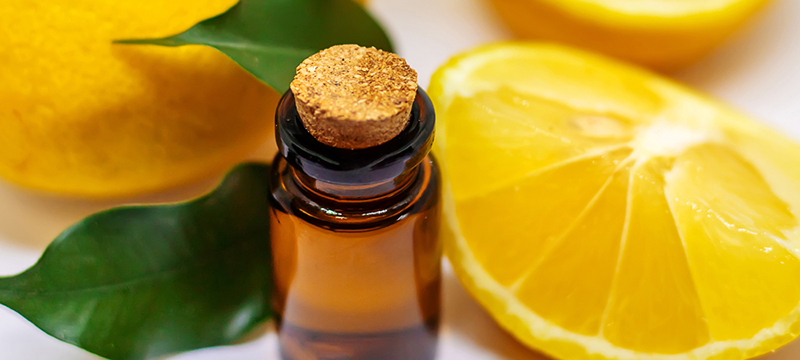
Botanical Source: Citrus limon
Lemon Essential Oil is known to be invigorating, cleansing, and purifying. Both the Lemon fruit and the essential oil have been used in Ayurvedic medicines for thousands of years to treat a vast range of health issues. Lemon Oil possibly has the most powerful anti-microbial activity of all the essential oils. Lemon Oil can boost energy and metabolism, enhance moods, and disinfect skin. A powerful antimicrobial, it has long been used as a natural disinfectant. This magical oil also improves skin tone, treats acne, and heals wounds of all kinds. It is also an incredible stress reliever and has been used to increase energy, reduce anxiety and depression, and even relieve pain.
Used topically after dilution in a carrier oil or in a skin care product, Lemon Essential Oil boosts circulation, metabolism, and digestive function. It relieves constipation and reduces blood pressure as well as cellulite. It can inhibit or soothe inflammation such as headaches and can ease the discomfort associated with arthritis.
Its anti-bacterial properties can sanitize not only wounds but also objects. Its astringent properties rejuvenate dull complexions, making Lemon Oil effective for restoring the luster to tired or sagging skin. Lemon Oil’s high vitamin content boosts immunity by stimulating the body’s ability to combat harmful bacteria.
Used in aromatherapy, it can reduce fever and flu and relieve throat infections and cough. By clearing the nasal passages, it promotes easier breathing for those with respiratory issues or infections. This rejuvenating, clean-smelling essential oil is commonly used to enhance concentration and energy. When diffused indoors, Lemon Essential Oil eliminates toxins in both the air and on surfaces. It can be used as a non-toxic cleaner and air freshener throughout the home for a mood-elevating, cooling, and revitalizing effect. It has a calming effect that can subdue negative moods such as anxiety.
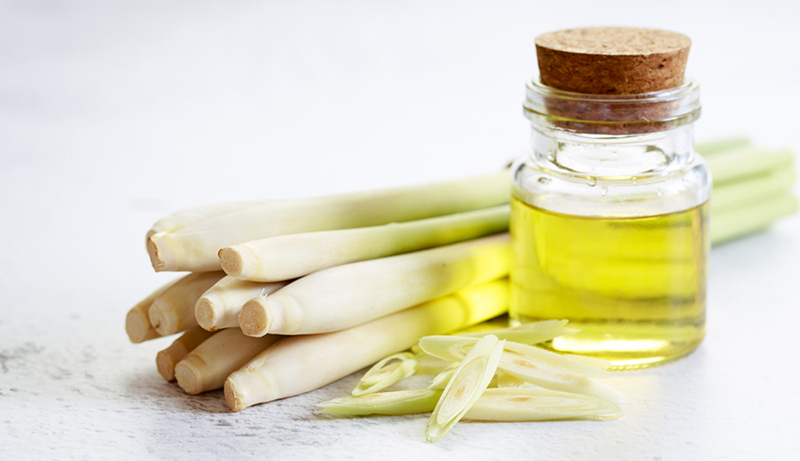
Botanical Source: Cymbopogon
Lemongrass is among the most popular essential oils used today for its effectiveness, health benefits, and a wide variety of applications. Lemongrass is most commonly used to relieve digestive issues, reduce bodily aches, pains, and high temperatures, and eliminate harmful bacteria. Used cosmetically or topically in general, Lemongrass Oil can eliminate or inhibit the growth of harmful bacteria due to its Citral content, which is known to have anti-microbial properties. Lemongrass Oil can reduce inflammation due to its Limonene content, and it can slow down the flow of blood by contracting blood vessels. When used in shampoos, it is believed to prevent hair loss. Lemongrass makes an effective, inexpensive, eco-friendly and long-lasting deodorant.
The fresh and herbaceous aroma of Lemongrass Oil offers an intense and radiant aromatic energy that inspires, encourages, and uplifts the spirit. It has anti-inflammatory properties and is also high in antioxidants making Lemongrass Oil a popular treatment for muscular aches and pains, digestion disorders, and physical and mental exhaustion.
Used cosmetically or topically in general, Lemongrass Oil can eliminate or inhibit the growth of harmful bacteria due to its Citral content, which is known to have anti-microbial properties. Lemongrass Oil can reduce inflammation due to its Limonene content, and it can slow down the flow of blood by contracting blood vessels. When used in shampoos, it is believed to prevent hair loss. Lemongrass makes an effective, inexpensive, eco-friendly and long-lasting deodorant.
Used medicinally, Lemongrass Essential Oil’s analgesic properties have been found to relieve muscle and joint pains caused by overexertion of muscles through exercise. It is known to boost energy and to reduce fever as well as headaches caused by viral infections such as the flu. It acts as an antiseptic, making it a beneficial ingredient in lotions and creams that prevent wounds from becoming infected. By alleviating abdominal pain, it can relieve stomach aches and ease spasms in the digestive tract. It works as a detoxifying agent by increasing perspiration, thus promoting the expulsion of bodily toxins through sweating.
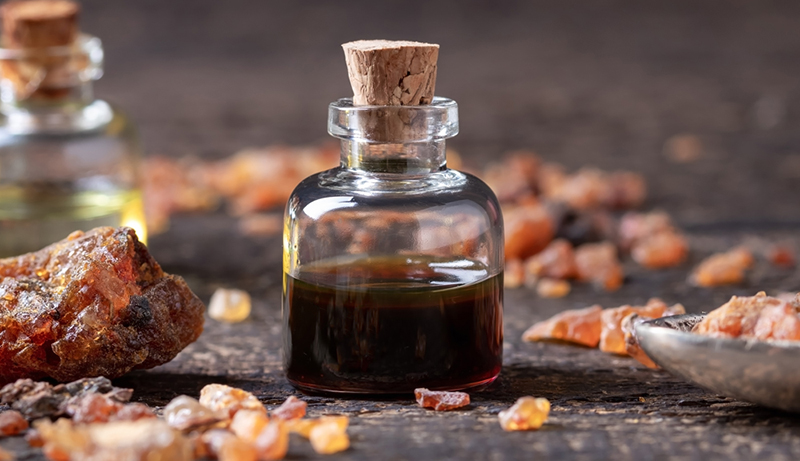
Botanical Source: Commiphora myrrha
Myrrh is a grounding oil that is woody, earthy, and slightly balsamic. It is often used in meditation to encourage spiritual awakening and inner peace. Myrrh has long beein heralded as a precious commodity since biblical times. It has natural antibacterial and antifungal properties making it a great addition to oral hygiene. Recently, it has been studied as a possible treatment to combat gynecologic cancer cells.
As ancient as it is useful, the power of Myrrh extends from medicinal, to cosmetic, aromatic, and spiritual. The aroma of Myrrh has calming, clarifying, and focusing properties. Commiphora resins contain an exceptionally wide array of molecules, from the most volatile aromatic monoterpenes to the weightier sesquiterpene and sesquiterpene lactone compounds – constituents that possess valuable medicinal and skincare properties still used in Ayurvedic and Traditional Chinese Medicine today. Myrrh is especially valued as a meditative aid with the ability to instill deep tranquility of mind.
Used topically, Myrrh Essential Oil facilitates the fading of unwanted blemishes on the skin, soothes itchiness, and reduces symptoms of eczema among other skin ailments. It effectively cleans, moisturizes, and tightens the skin, thereby reducing and preventing further chapping, cracking, and sagging.
Used in hair, Myrrh Essential Oil’s astringency strengthens the roots and thus reduces hair loss. Along with addressing dandruff, its scent also stimulates the brain, promotes alertness, and boosts energy.
Used in a massage, Myrrh Essential Oil strengthens the muscles and smooths the skin while promoting relaxation. Its anti-inflammatory and anti-oxidant properties address symptoms of indigestion and prevent toxins from accumulating in the circulatory system.
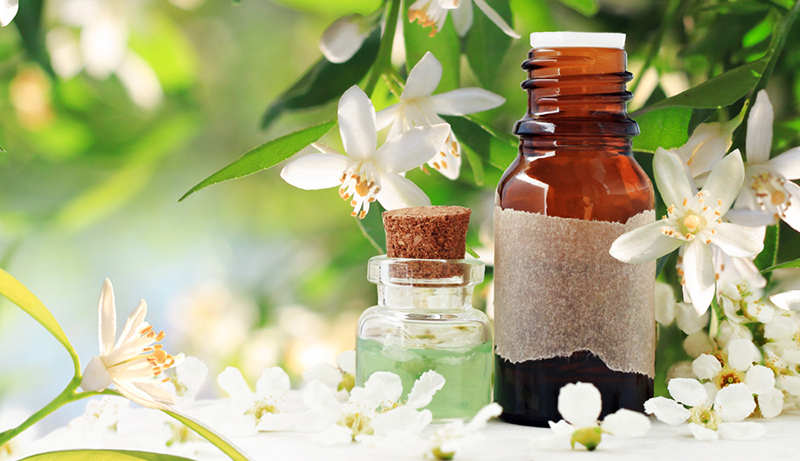
Botanical Source: Citrus aurantium
Neroli's intense floral and citrusy profile pairs well with cedarwood, roman chamomile, geranium, jasmine, lavender, and rose. Distilled from the fragrant blossoms of the orange tree, Neroli is a powerful and invigorating oil benefiting skincare and emotional needs. This uplifting oil is frequently used to ease feelings of depression, anxiety, sadness, and grief. It encourages inner peace and is often used in meditation. Cosmetically, Neroli is revered for its ability to lessen the appearance of scarring and stretch marks, as well as evening skin tone.
Neroli was first introduced as a fashionable scent near the end of the 17th century by Marie-Anne de La Trémoille, Duchess of Bracciano, later known as the Princess of Nerola. She loved the scent of orange blossoms and used it to perfume her clothes, gloves and bath; since then, this beautiful essence has been known as Neroli. Today Neroli essential oil is widely used in perfumery, skincare, and in formulations to help promote relaxation and alleviate stress. On a psychological level, "Neroli oil instills both comfort and strength, and assists in the release of repressed emotions - through relaxing and reuniting our solar and lunar (conscious and subconscious) worlds."
Neroli, a type of flower that was traditionally scattered on newlyweds' beds, helped the bride to relax her first night. Women of the night used Neroli to seduce their clients. Cleopatra was known to have anointed her sails in essential oils of Jasmine and Neroli as she navigated up the Nile to seduce Marc Anthony. To celebrate the sacredness of love, you can dance with this oil. Neroli can help you regain the deep connection and tender embrace of love if you feel that pleasure has been taken from your life. Neroli is more than a companion for couples and helps them maintain happy marriages. Singles will find peace and love within Neroli.
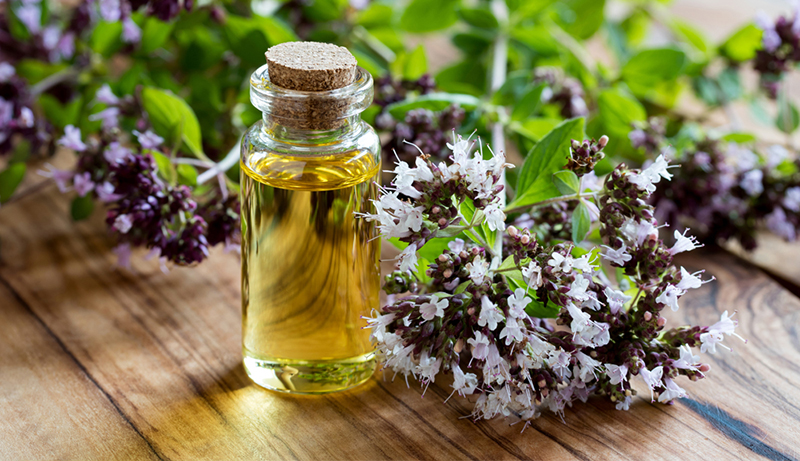
Botanical Source: Origanum vulgare
Both the herb and the essential oil of Oregano have been used for medicinal purposes since the time of Greek physicians Hippocrates and Maimonides, who prescribed it to their patients for their respiratory and digestive ailments. Diluted Oregano Oil relieves cough and cold symptoms when inhaled, disinfects surfaces when used as an antiseptic cleaning agent, and soothes topical discomforts such as inflammation and itchiness when used in cosmetics like moisturizers and shampoos.
A supremely hot oil known for its powerful disinfecting qualities, Oregano Essential Oil offers many incredible health benefits. Oregano Oil is a natural antibiotic, powerful antioxidant, and effective anti-inflammatory known for its ability to relieve pain, treat infections, lower cholesterol, and even fight certain cancers. It's strong aroma also makes it a wonderful insect repellent.
Oregano oil, like much of the natural health care arsenal, is a centuries-old remedy, hardly new or unique. The potent phenolic compounds in Oregano are said to give immunity an edge while never interfering with the delicate balance of flora naturally established by the body. Used in cosmetics, Oregano Oil is known to have antioxidant activity that fights the look of aging, which results in skin that looks clear and smooth. As such, it can treat acne and brighten the complexion. Applied in massage, Oregano Essential Oil’s anti-inflammatory activity can soothe redness, irritation, bites, and discomforts associated with arthritis and injury.
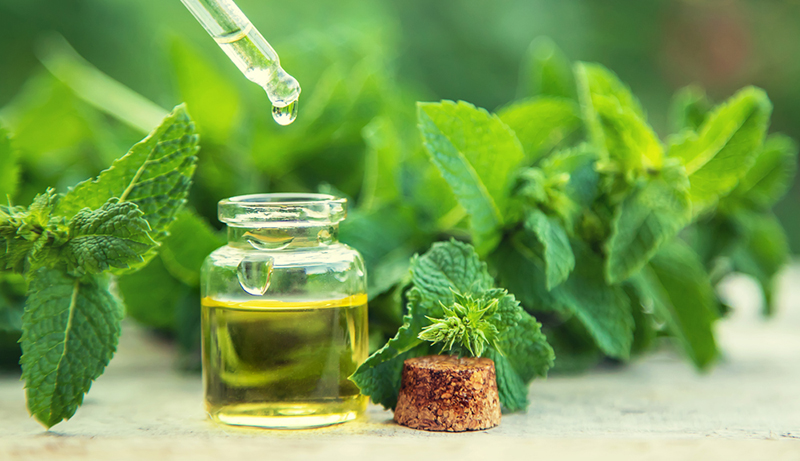
Botanical Source: Mentha piperita
Peppermint essential oil is multi-purpose, earning the reputation of being one of the most versatile oils in the world along with Lavender oil. There are numerous applications for which Peppermint essential oil can be used, including cosmetics, aromatherapy, relaxing baths, and as a cleaning agent around the house. The most active components of Peppermint essential oil are Menthol and Menthone, which are known to reduce pain and to invigorate, energize, and prevent the growth of harmful bacteria, respectively.
Peppermint has a stimulating, minty scent that enhances alertness, builds stamina, and for some, is also an aphrodisiac. Peppermint oil contains menthol, which has many medicinal qualities. It is often used to relieve muscular aches as well as to ease headaches. It's medicinal uses span from treating colic and exhaustion, to aiding in digestion and dispelling nausea.
Extracted from the Peppermint herb, the uses of this cherished plant and its benefits have been traced back to Chinese and Japanese folk medicine practices and even Ancient Egyptian times where dried Peppermint leaves were found placed in tombs inside the pyramids. Due to the common incidence of using the name Peppermint interchangeably with the terms Mint and Spearmint, there has been confusion about its history of cultivation, but ancient textual references to it prove that it has been used for culinary purposes and in herbal medicine since 1500 BC. Peppermint is also mentioned in Greek mythology in the story of the nymph “Mentha” or “Minthe,” who is transformed into the sweet-smelling herb that releases a powerful, lingering aroma every time she is stepped on.
When used cosmetically or topically in general, Peppermint acts as an astringent that closes pores and tightens the skin. It's cooling and warming sensations make it an effective anesthetic that leaves the skin numb to pain and calms redness and inflammation. It has traditionally been used as a cooling chest rub to relieve congestion, and when diluted with a carrier oil such as coconut, it can promote the safe and healthy renewal of skin, thus offering relief from skin irritations such as sunburn. In shampoos, it can stimulate the scalp while also removing dandruff.

Botanical Source: Rosa rubiginosa
Rose oil has antibacterial and antifungal properties, making it an excellent choice to use in skincare products. Rose oil functions as a pain reliever when inhaled or applied to the skin. It can also relieve symptoms of depression and anxiety and be used as an aphrodisiac. It’s believed that rose oil releases endorphins in the brain, which are known as the “feel-good chemicals” that aid in pain relief and happiness.
Known as the oil of love, Rose oil has a deep psychological effect as it encourages opening of the heart while soothing the emotions, being especially useful for anxiety and depression. In the words of Gabriel Mojay, “the compassion of the flower is revealed through its ability to heal emotional wounds . . . rose oil can touch the deepest despair, restoring the trust that makes it possible to love again.”
Used in skincare, Rose Oil is reputed to balance the skin’s natural oil production, minimize the appearance of enlarged pores, eliminate infection-causing or acne-causing bacteria, enhance circulation, reduce the appearance of varicose veins, thread veins, cellulite, and dull skin, encourage the body’s relaxation, deodorize, promote the faster fading of scars and blemishes, soothe uncomfortable skin ailments, and generally rejuvenate the complexion.
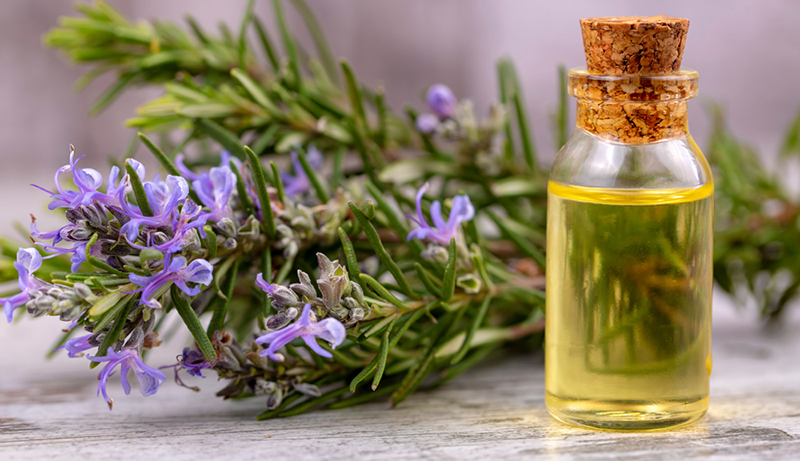
Botanical Source: Salvia rosmarinus
Rosemary belongs to an aromatic family of herbs that includes Basil, Lavender, Myrtle, and Sage. Rosemary Essential Oil is best known for its stimulating, soothing, and pain relieving properties. Rosemary was considered sacred by ancient Greeks, Egyptians, Hebrews, and Romans, who used it to improve memory, incense, protection, and as a reminder of the life and death cycle, among other uses.
Rosemary's strong and camphorous aroma makes it ideal in massage routines as it has been shown to relieve tension and increase circulation in the skin and muscles. It is heralded for its ability to improve memory retention and increase mental focus. When added to skincare routines, Rosemary Oil has been shown to decrease hair loss, clear acne, and work overtime to powerfully detoxify the skin. Rosemary Oil has a refreshing and camphorous aroma that blends well with Frankincense, Lavender, Basil, Thyme, Peppermint, Cedarwood, and Tea Tree Oils.
Diluted and used topically, Rosemary Essential Oil is known to stimulate hair growth, reduce pain, soothe inflammation, eliminate headaches, strengthen the immune system, and condition hair to make it look and feel healthy. Used in a massage, Rosemary Oil’s detoxifying properties can facilitate healthy digestion, relieve flatulence, bloating and cramps, and relieve constipation. Through massage, this oil stimulates circulation, which allows the body to better absorb nutrients from food.
In cosmetics for hair care, Rosemary Essential Oil’s tonic properties stimulate hair follicles to lengthen and strengthen hair while slowing the graying of hair, preventing hair loss, and moisturizing dry scalp to relieve dandruff. Traditionally, Rosemary Oil combined with Olive Oil in a hot oil hair treatment has been known to darken and strengthen hair.
The anti-microbial, antiseptic, astringent, antioxidant, and tonic properties of this oil make it a beneficial additive in skin care products that are meant to soothe or even treat dry or oily skin, eczema, inflammation, and acne. Effective for all skin types, this rejuvenating oil can be added to soaps, face washes, face masks, toners, and creams to achieve firm yet hydrated skin that appears to have a healthy glow that is free of unwanted marks.
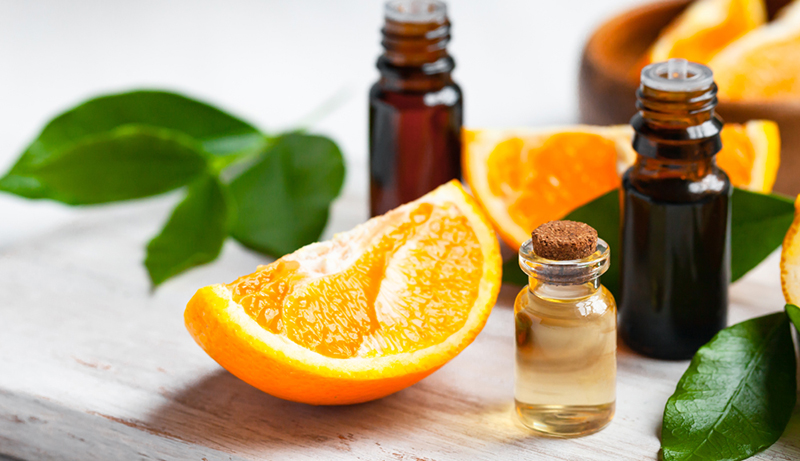
Botanical Source: Citrus sinensis
When used topically, Orange Essential Oil is beneficial for maintaining the health, appearance, and texture of skin by promoting clarity, radiance, and smoothness, thereby reducing the signs of acne and other uncomfortable skin conditions. Applied in a massage, Orange Essential Oil is known to increase blood flow. This is known to relieve discomforts associated with inflammation, headaches, menstruation, and low libido.
For thousands of years, Orange Oil’s ability to naturally enhance immunity and reduce several symptoms of numerous ailments have lent it to traditional medicinal applications for the treatment of acne, chronic stress, and other health concerns. The folk remedies of the Mediterranean region as well as the regions of the Middle East, India, and China used Orange Oil to relieve colds, coughs, chronic fatigue, depression, flu, indigestion, low libido, odors, poor circulation, skin infections, and spasms. In China, Oranges are believed to symbolize good fortune and thus they continue to be a significant feature of the traditional medicinal practices. It is not only the benefits of the pulp and the oils that are valuable; the dried fruit rinds of both the Bitter and Sweet varieties of Orange have also been used in traditional Chinese medicine to soothe the aforementioned ailments as well as to address anorexia.
Used cosmetically or topically in general, Orange Oil is known to be beneficial for maintaining the health, appearance, and texture of skin by promoting clarity, radiance, and smoothness. In doing so, it reduces the signs of acne and other uncomfortable skin conditions. When applied in a massage, Orange Essential Oil is known to increase blood flow, which relieves discomforts associated with inflammation, headaches, menstruation, and low libido. It is believed to soothe pain in bones, joints, or any site of injury and infection by decreasing swelling that causes aches and soreness, while also reducing redness.
When applied to skin, Orange Oil’s astringent property contributes anti-aging benefits. It also works as a tonic that cleanses and detoxifies the skin while diminishing the appearance of pores. These properties make Orange Oil an ideal ingredient for moisturizers and cleansers that nourish skin, soothe dryness and irritation, eliminate harmful bacteria, enhance collagen production, and plump, smooth, and brighten the complexion.
When applied to calluses, especially on the feet, Orange Oil is known to make an effective treatment that softens while hydrating.
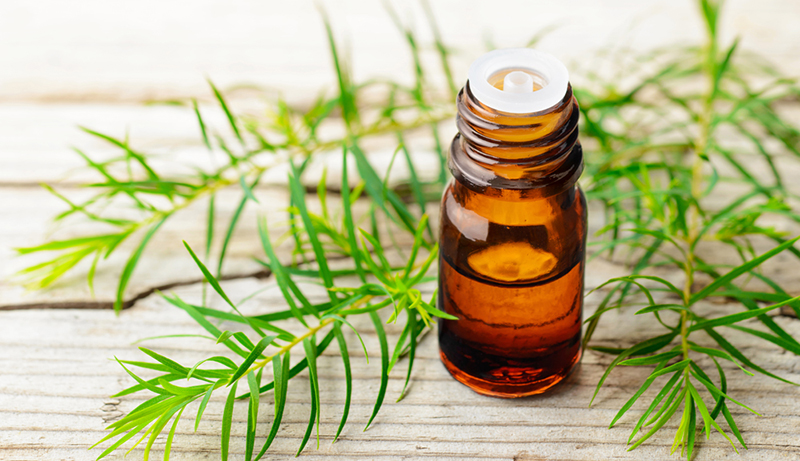
Botanical Source: Melaleuca alternifolia
A purifying dignitary, tea tree oil is a great choice for skin blemish treatment, air purification, and overall household disinfection. In haircare, tea tree oil can moisturize and purify the scalp, resulting in smooth, moisturized tresses. It can also be diffused to reduce stress and calm feelings of anxiety.
Tea Tree Essential Oil has a fresh, antiseptic and medicinal scent. It also has characteristic mint and spice back-notes. Tea Tree essential oil has been very well investigated with respect to its actions against a broad range of microbes, and as a consequence has become ubiquitous in preparations for impure skin, athlete’s foot, oral rinses and dandruff shampoos. Used topically and cosmetically, Tea Tree Oil can heal skin issues, making it an excellent additive for personal hygiene cosmetic products and toiletries such as bar soaps, face washes, body washes, shampoos, conditioners, deodorants, salves, moisturizers, massage oils, and nail conditioners.
Tea Tree Essential Oil is derived and steam distilled from the leaves of the Melaleuca alternifolia tree. As aforementioned, it is commonly known as Tea Tree. This is a plant native to the swampy regions of the eastern Australian coast and to Southeast Queensland. Its botanical term “alternifolia” means "having leaves that alternate on each side of a stem.” Tea Tree flowers grow on tall evergreen shrubs and develop in groups on the head or the “spike.” Clustered together on the spike, as many as eighty individual flowers form a shape that resembles white cleaning brushes with small bristles.
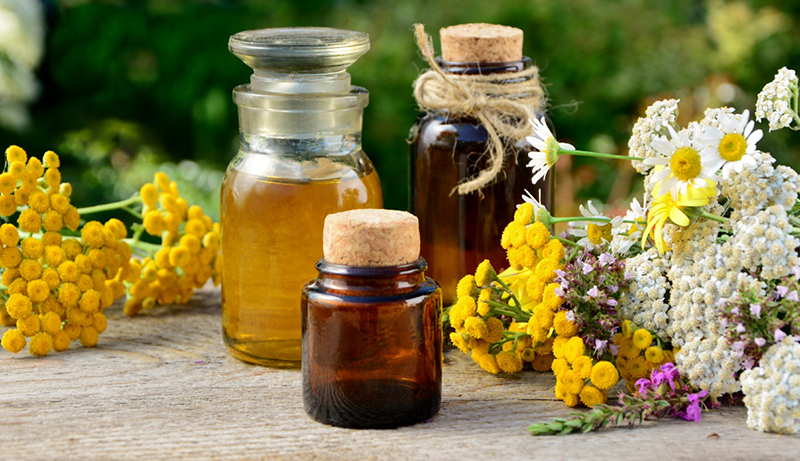
Botanical Source: Achillea millefolium
Yarrow Essential Oil has a sweet, earthy, slightly floral aroma that is grounding and balancing. It helps bring you back to your center and allows for harmony and peace. When used in cosmetic applications, Yarrow moisturizes and revitalizes the appearance of skin. Yarrow is also soothing to tired muscles and joints when combined with massage.
It is said that the Yarrow herb is named after Achilles, a figure in Greek mythology who used the herb to treat the wounds of soldiers he led in the Trojan War. He died from a fatal wound to his heel, the only vulnerable part of his body. That may explain why the Achilles tendon and the Latin binomial for Yarrow, Achillea millefolium, share this name.
Chamazulene is one of the primary components of our organic Yarrow (present at 9.40%) and boasts healthy, beneficial properties; other notable constituents are ß-pinene+sabinene, ß-caryophyllene, germacrene D, 1-terpinen-4-ol, 1,8 cineole, and smaller amounts of many others.
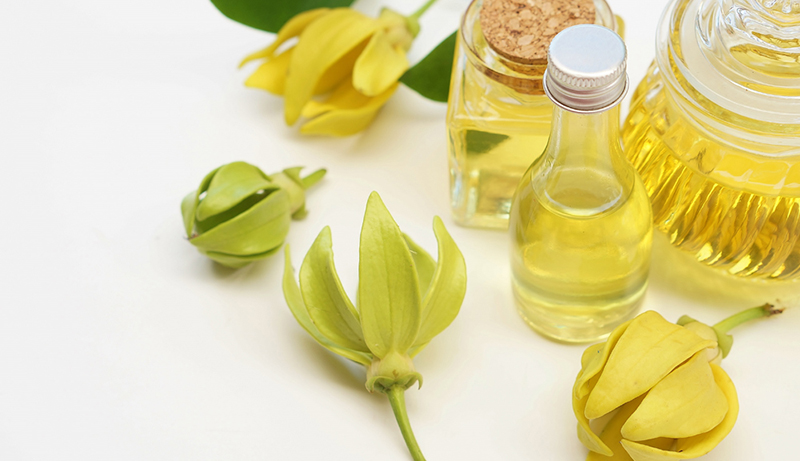
Botanical Source: Cananga odorata
Ylang Ylang (pronounced "Ee-lang Ee-lang") has an intoxicating scent and multiple medicinal uses. Revered for its stress and anxiety reducing qualities. Ylang Ylang is also used to treat hypertention and heart palpitations. Cosmetically, it has been praised for combatting acne and oily skin, as well as a common treatment for hair loss. Ylang Ylang is also considered an aphrodisiac.
Used cosmetically or topically in general, Ylang Ylang Essential Oil is known to balance and regulate oil production in the skin and hair, while also soothing inflammation and irritation. It enhances circulation, encourages the growth of new skin and hair, contributes and maintains hydration, conditions, and prevents infections. Used cosmetically or topically in general, Ylang Ylang Essential Oil is known to balance and regulate oil production in the skin and hair, while also soothing inflammation and irritation. It enhances circulation, encourages the growth of new skin and hair, contributes and maintains hydration, conditions, and prevents infections.
Such is the power of Ylang Ylang’s amazing aroma for easing the mind and comforting the body as well as for its effect in the composition of perfumes. Its heady, floral intensity is why Ylang Ylang is unfairly referred to as “poor man’s Jasmine” – at a comparatively modest price it is one of the finest aromatic materials in the perfume industry.
The main chemical constituents of Ylang Ylang Essential Oil are: Linalool, Geranyl acetate, Germacrene-D, beta-Caryophyllene, Benzyl acetate, Geraniol, Methyl p-Cresol, Methyl benzoate, Geranyl acetate, Farnasene, and Benzyl benzoate. Used topically, Ylang Ylang soothes inflammation and irritation on the body and the scalp while strengthening skin and hair. It addresses acne as well as hair loss by enhancing circulation, encouraging the growth of new skin and hair, contributing and maintaining hydration, conditioning, and preventing infections with its anti-microbial properties. By calming the mind and body, it promotes the faster onset of sleep and arouses sensuality.